
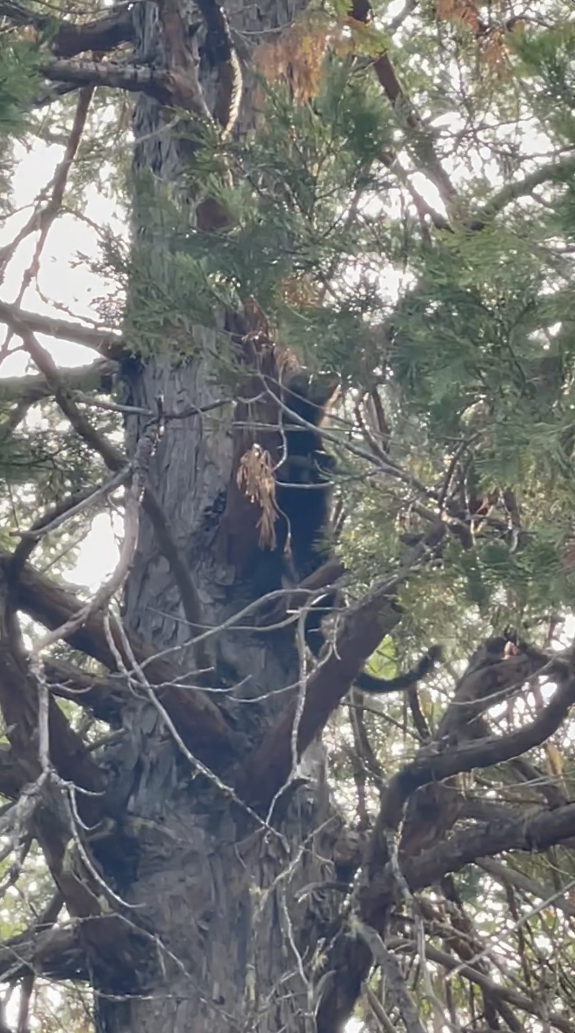
The Honor of Seeing a Pacific Fisher
Knowing what I know now, this encounter feels even more precious—and more fragile. The Pacific fisher persists here as part of one small, isolated population in the Klamath-Siskiyou, already holding on in a diminished remnant of its former range. At a time when federal policy is pushing toward substantially increased timber production on public lands, I cannot help but feel that animals like the fisher, the spotted owl, and other old-forest beings are being asked to survive in landscapes increasingly shaped for extraction rather than continuity. These are not creatures of plantation forests. They are creatures of complexity, of older forests with structure, shelter, and memory. And if we keep simplifying those forests, we should be honest about what we are losing: not just trees, but whole presences, whole ways of being, and the chance for future people to ever see such a being in the wild.
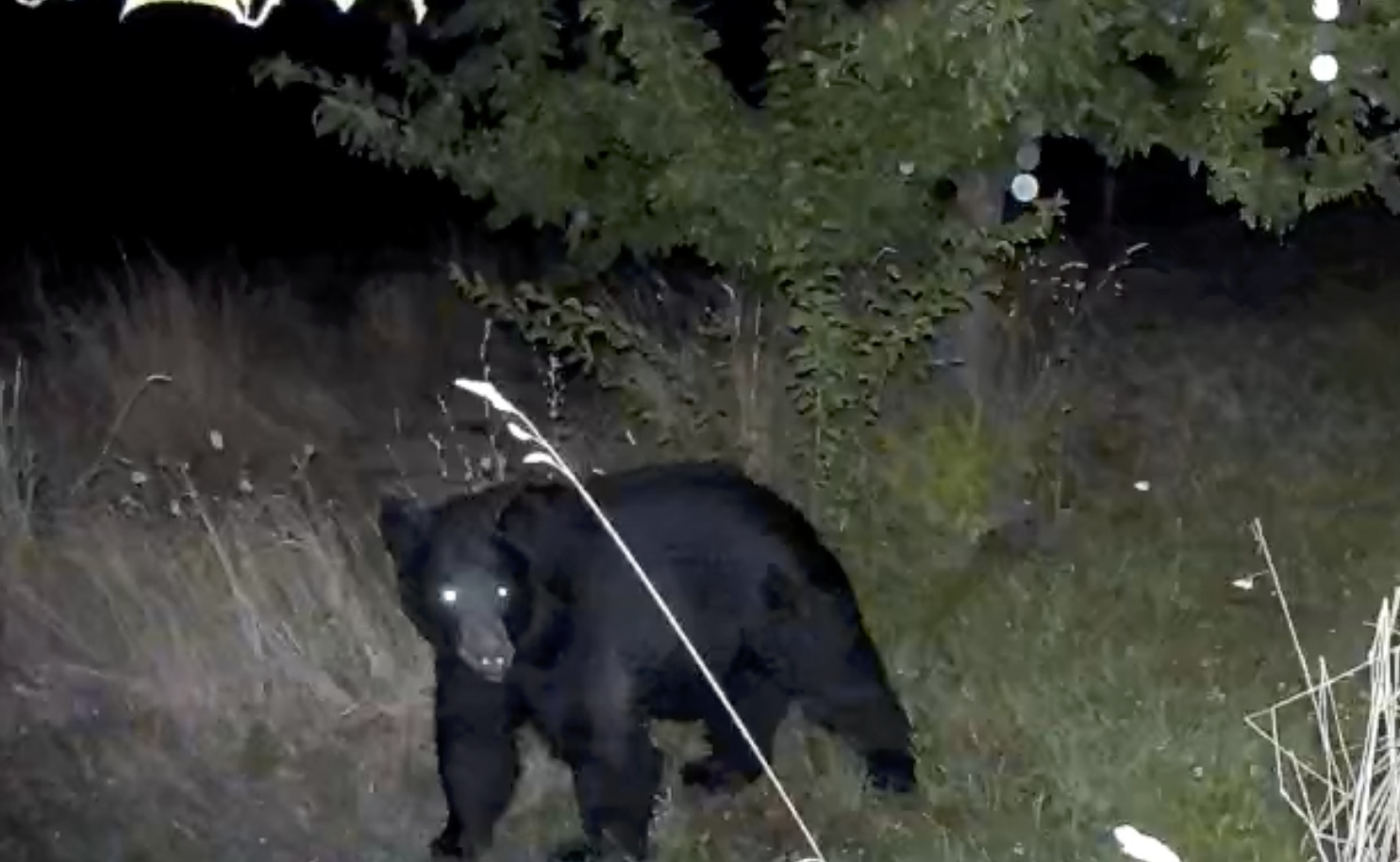
Black Bears: Living Beside Big Neighbors
Living with big neighbors like bears is both a gift and a challenge. They remind us that our landscapes are still shared, that humans are not the only ones with claims to the land. Yet their survival often depends on how well we manage our side of that relationship.
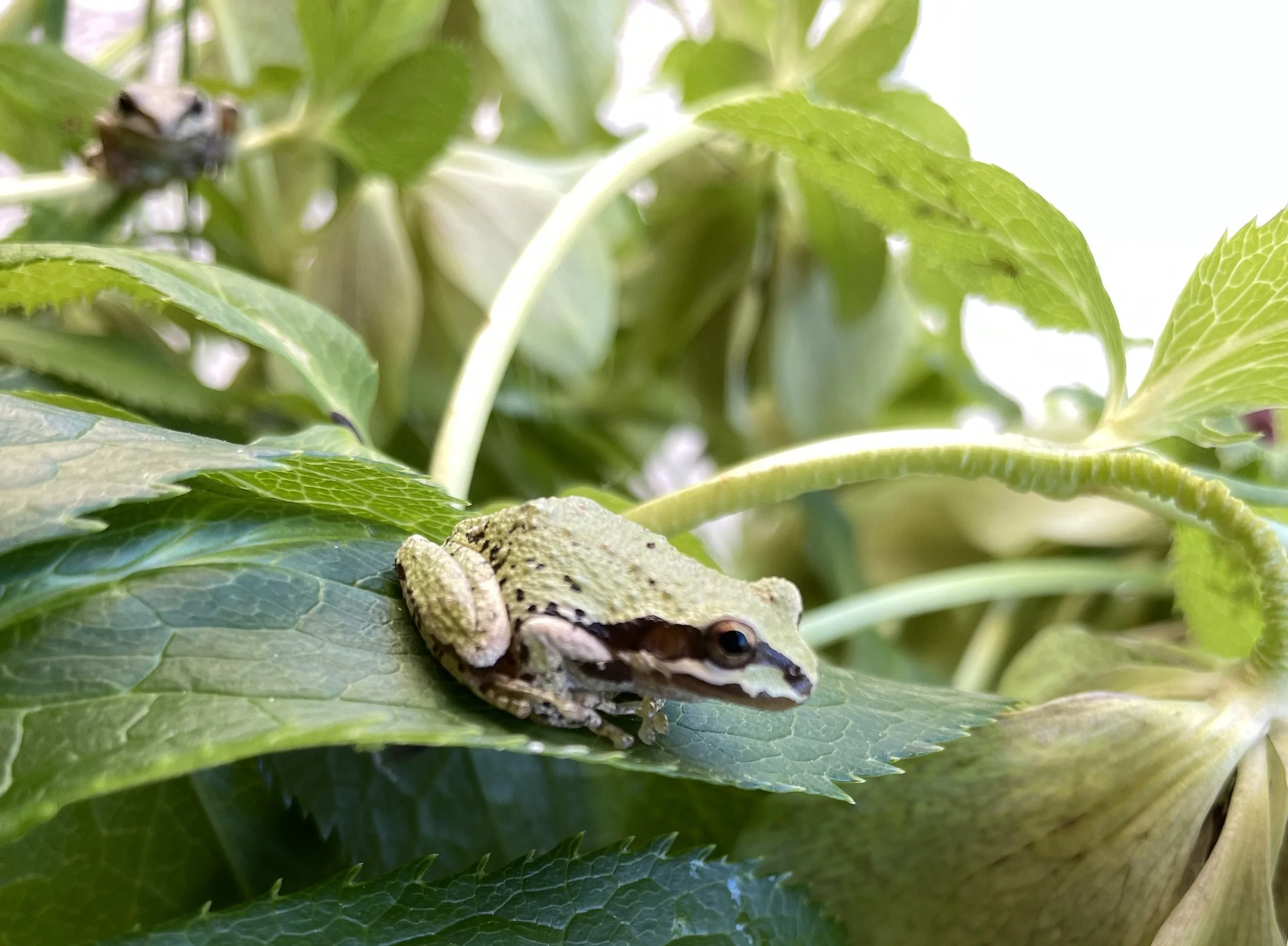
Pacific Tree Frogs: Small Voices, Big Signals
For me, these frogs have become part of the daily fabric of land care. They remind me to notice what might otherwise be overlooked — a shift in water clarity, a drop in insect numbers, a change in seasonal rhythm. They also remind me that land stewardship isn’t just about what we plan and plant, but about how the smallest beings respond to our choices.